wellness
Adelaide CBD Residents Discover Hidden Affordable, Nutritious Food Options
With grocery bills still biting, Adelaide's inner-city food scene has more affordable, nutritious options than most people realise, you just need to know where to look.
How we reported this
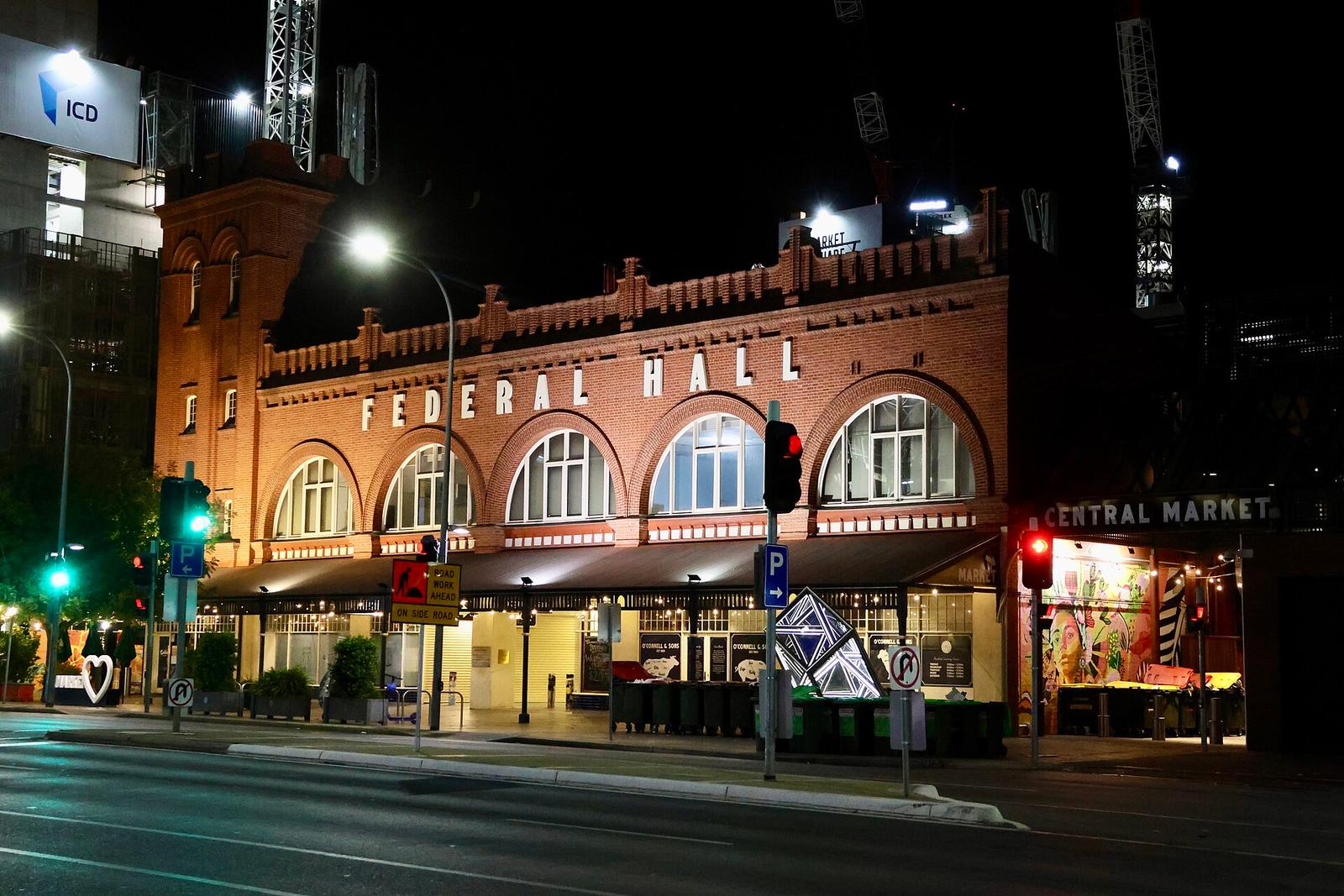
The average Adelaide household is spending roughly $280 a week on food, according to the most recent ABS household expenditure data, a figure that has climbed nearly 18 percent since 2022. For the thousands of renters, students and low-income workers packed into the CBD and its immediate surrounds, that number is increasingly untenable. But dietitians and community food workers operating in the city centre say eating well doesn't have to mean spending big, provided you're strategic about where and when you shop.
The squeeze is particularly sharp right now. Discretionary income has tightened across the board, and the housing market is adding pressure, rents in the CBD have stayed elevated even as broader property prices soften. People are looking for places to cut. Food is usually one of the first things they slash, often to their own detriment. The good news is that Adelaide's compact city grid and its concentration of markets, co-ops and community food programs make it easier here than in many larger cities to eat nutritiously without gutting your weekly budget.
Where to Start: The Central Market and Beyond
The Adelaide Central Market on Gouger Street remains the single best tool a budget-conscious eater has in this city. Arrive between 4pm and 5pm on a Friday or before noon on a Saturday, the last trading hours of the week, and many stallholders discount fresh produce aggressively rather than cart it home. Whole cauliflowers that opened the week at $4.50 often go for $1.50. Bags of mixed tomatoes, slightly blemished but entirely edible, can be had for next to nothing. The market's 70-plus stalls mean real competition, which keeps baseline prices lower than the major supermarkets on Rundle Mall at almost every point in the week.
A few blocks north, the Adelaide Community Food Store on Sturt Street operates a sliding-scale membership model. Annual membership starts at $55, and members access bulk dry goods, lentils, rolled oats, brown rice, dried chickpeas, at prices typically 30 to 40 percent below supermarket shelf prices. These aren't novelty health foods; they're the protein and carbohydrate staples that form the backbone of affordable, nutritious cooking. The store also runs a free monthly cooking demonstration, the next of which is scheduled for July 19.
For fresh fruit and vegetables specifically, the Hindmarsh Square farmers' market, held every Thursday morning, brings produce directly from Riverland and McLaren Vale growers. Cutting out the distribution chain typically shaves 15 to 25 percent off retail prices on seasonal lines. Right now in July that means cheap citrus, navel oranges from Waikerie are selling for around $3.50 a kilogram, along with broccoli, kale and winter greens that are at their seasonal price floor.
Building a Cheap, Nutritious Weekly Plate
The practical principle underpinning cheap healthy eating is almost embarrassingly simple: build meals around legumes and whole grains, use meat and fish as flavouring rather than the centrepiece, and buy vegetables that are in season. A kilogram of dried red lentils from the Community Food Store costs about $3.20 and yields roughly eight servings of soup or dahl. A 500-gram bag of rolled oats covers ten breakfasts. These aren't deprivation foods, they're the dietary staples behind some of the lowest rates of chronic disease recorded anywhere in the world.
Eggs deserve a mention. At the Central Market, free-range eggs from local producers run between $6 and $7.50 a dozen, cheaper than most branded supermarket equivalents and genuinely higher welfare. Six eggs, a can of crushed tomatoes ($1.10 at Coles on Rundle Mall) and some wilted spinach is a shakshuka that costs under $4 and feeds two people with real nutritional density.
The Hutt Street Centre, which serves Adelaide's most vulnerable residents, also runs a community pantry referral program for people in acute need, worth knowing about, and worth pointing others toward. For everyone else, the practical starting point is simple: get to Gouger Street before Saturday lunchtime, buy what's cheap and in season, and cook from scratch as often as you can manage. Your grocery bill will thank you. So will a GP, though that's a conversation worth having with your own doctor rather than a newspaper.